Our Research
A central focus of the laboratory is understanding how the vaginal microbiome contributes to protection against sexually transmitted infections (STIs), adverse pregnancy outcomes, and inflammatory conditions. We combine large-scale longitudinal human cohort studies with advanced multi-omic approaches to define microbial, metabolic, and immune features associated with health, disease risk, and resilience. These efforts have revealed that not only microbial composition, but also microbial function and host response, are critical determinants of outcomes such as spontaneous preterm birth and susceptibility to or clearance of Chlamydia trachomatis infection.
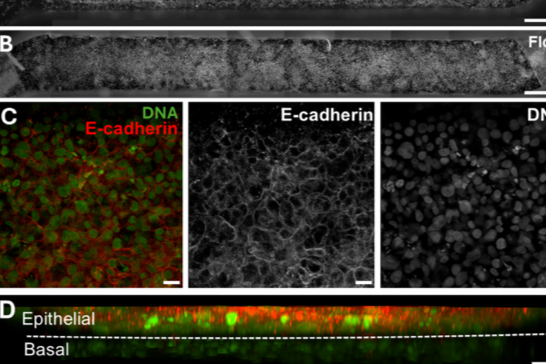
In parallel, we develop and apply innovative experimental platforms to interrogate mechanisms. In close collaboration with engineers and immunologists, we have created human 3D biomimetic cervicovaginal models that faithfully recreate the physical, microbial, and immunological features of the cervicovaginal mucosa. These models allow us to experimentally test how specific microbial communities, menstrual cycle states, and co-infections influence epithelial integrity, immune activation, and pathogen behavior, capabilities that are not possible with traditional animal or cell culture systems.
Collectively, our research seeks to move beyond descriptive microbiome studies toward actionable insights. By integrating ecology, immunology, and tissue biology, the laboratory aims to identify modifiable microbial and host pathways that can be targeted through novel interventions, including live biotherapeutic products, to promote durable vaginal health and reduce health disparities.
The Ravel Laboratory investigates how interactions between the cervicovaginal microbiome, host immunity, and mucosal tissue structure shape women’s reproductive and sexual health. Our work spans fundamental discovery, translational science, and clinical application, with the overarching goal of leveraging microbial ecology to prevent disease and improve outcomes across the reproductive lifespan.

The Vaginal Microbiome Research Consortium (VMRC)
Chlamydia trachomatis epidemiology and interaction with the cervicovaginal microbiome
The role of host-microbial interactions in altering preterm birth risk among black women