Transforming Health through Microbiome Research
Advancing women’s reproductive health by decoding how the cervicovaginal microbiome, immunity, and tissue biology intersect to prevent infection, adverse pregnancy outcomes, and complications across the lifespan.
⎯ News & Thoughts ⎯
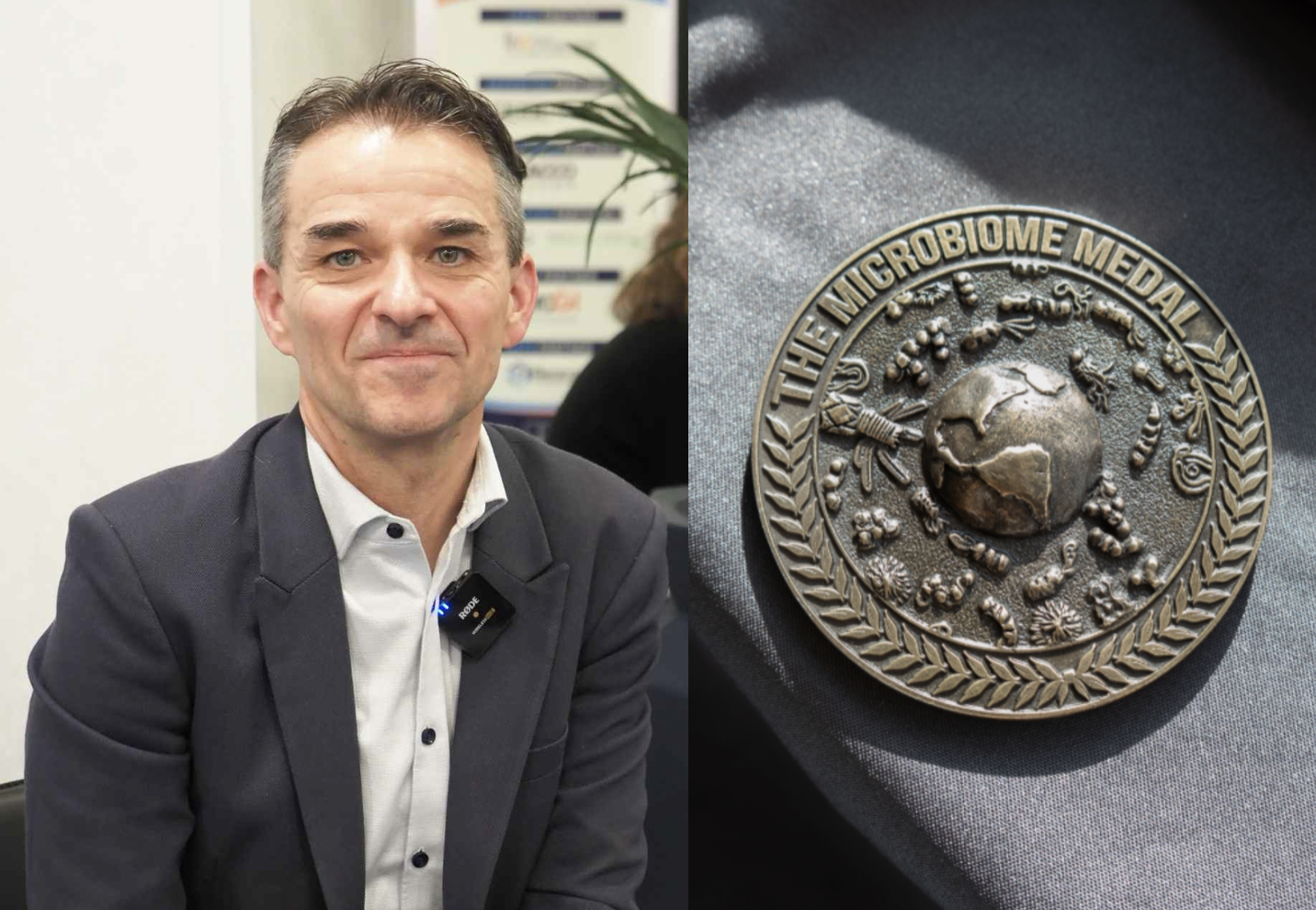
CAMRI Director Jacques Ravel, PhD, has been named the 2026 Microbiome Medal Laureate by Penn State University’s One Health Microbiome Center in recognition of his pioneering contributions to microbiome science. The prestigious international award honors his groundbreaking research on the vaginal microbiome, women’s health, and the development of microbiome-based therapeutics to prevent and treat sexually transmitted infections.
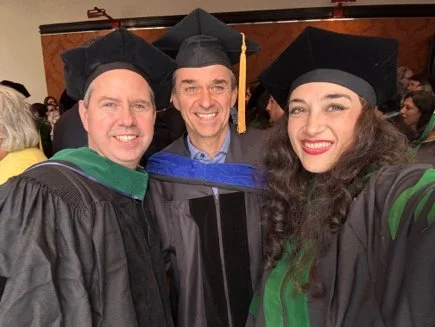
Madeline Alizadeh, MD, PhD, a graduate of the MD/PhD Program at the University of Maryland School of Medicine (UMSOM) and the Center for Advanced Microbiome Research and Innovation (CAMRI) at the Institute for Genome Sciences (IGS), has matched to the Internal Medicine residency program at NYU Grossman School of Medicine.
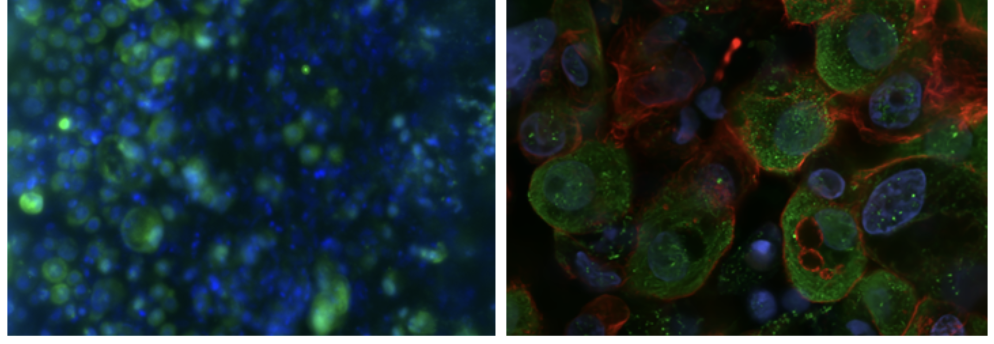
A new Science Advances study published by the Ravel lab introduces a breakthrough model of the human cervix that captures how the microbiome, immune system, and sexually transmitted pathogens interact, opening new paths for discovery and microbiome-based therapies.
A one-week treatment was enough to add protective bacteria to the vagina that stayed for months after therapy ended.
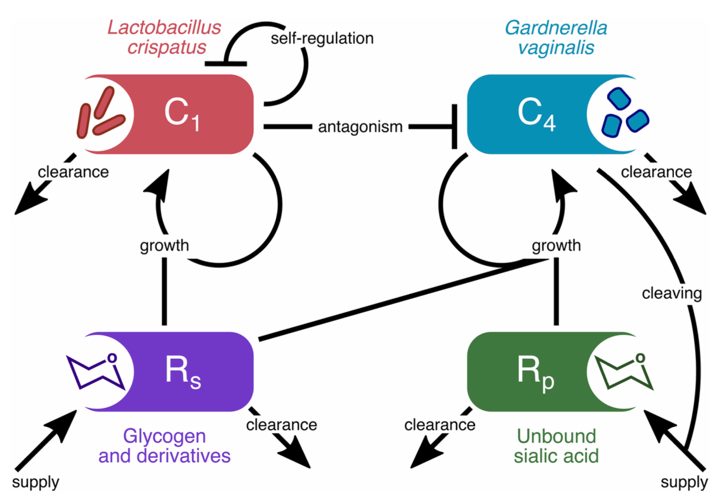
In a new PLOS Biology study, CAMRI researchers helped develop an ecological model showing that access to specific nutrients—rather than bacteria alone—drives whether the vaginal microbiome remains healthy or shifts into dysbiosis. By revealing why harmful microbial states can become stable and difficult to reverse, this work opens new paths toward durable, non-antibiotic strategies to improve women’s reproductive health.
In a new study led by CAMRI investigator Dr. Johanna Holm, researchers reveal that vaginal bacteria with similar taxonomic profiles can have profoundly different functional and immunological effects. By defining 25 distinct functional community types, this work lays the foundation for precision diagnostics and targeted interventions in women’s reproductive health.
Center for Advanced Microbiome Research