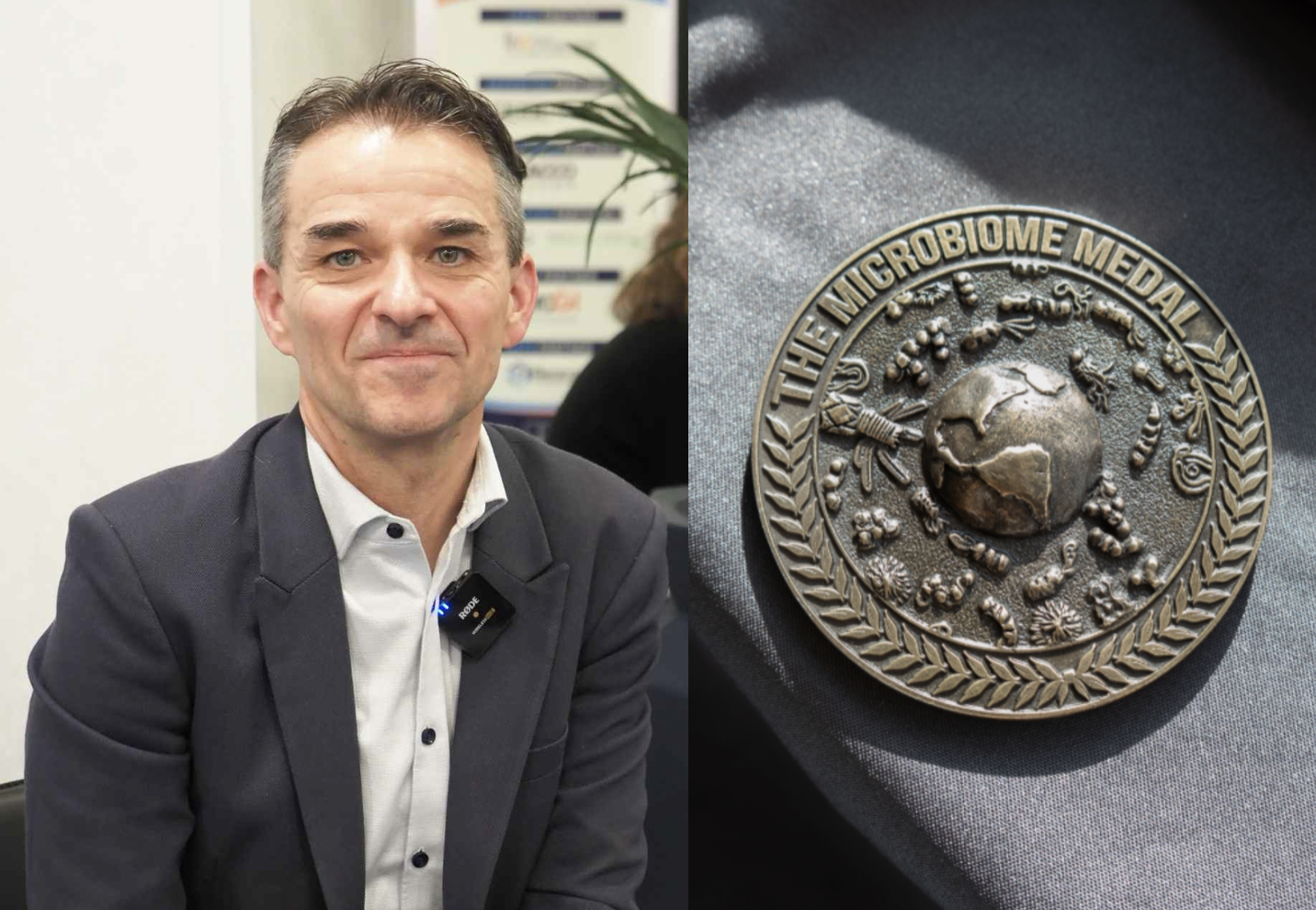
Jacques Ravel, PhD Named 2026 Microbiome Medal Laureate
CAMRI Director Jacques Ravel, PhD, has been named the 2026 Microbiome Medal Laureate by Penn State University’s One Health Microbiome Center in recognition of his pioneering contributions to microbiome science. The prestigious international award honors his groundbreaking research on the vaginal microbiome, women’s health, and the development of microbiome-based therapeutics to prevent and treat sexually transmitted infections.
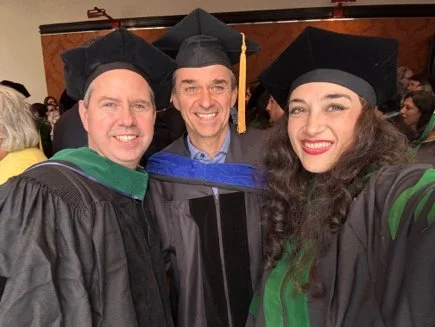
Center for Advanced Microbiome Research and Innovation’s MD/PhD Graduate from UMSOM Medical School
Madeline Alizadeh, MD, PhD, a graduate of the MD/PhD Program at the University of Maryland School of Medicine (UMSOM) and the Center for Advanced Microbiome Research and Innovation (CAMRI) at the Institute for Genome Sciences (IGS), has matched to the Internal Medicine residency program at NYU Grossman School of Medicine.
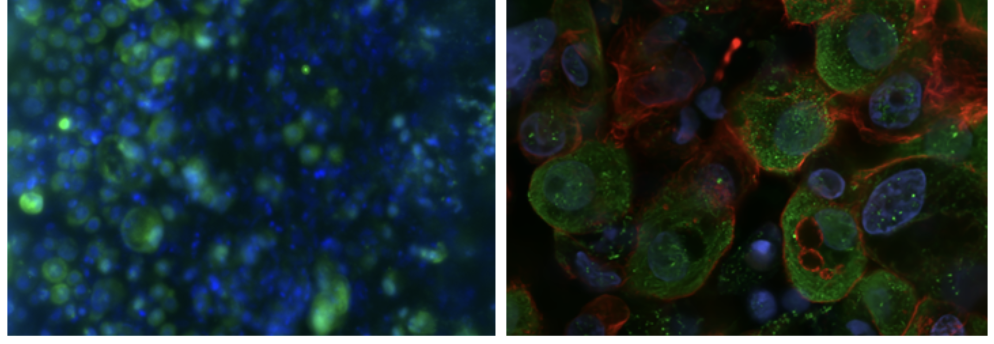
An Advanced Cervix-on-a-Chip Enables Mechanistic Studies of the Host-Microbiome-Pathogen Interactions
A new Science Advances study published by the Ravel lab introduces a breakthrough model of the human cervix that captures how the microbiome, immune system, and sexually transmitted pathogens interact, opening new paths for discovery and microbiome-based therapies.
Multi-Strain Probiotic Therapy Shows Promise in Preventing Bacterial Vaginosis Recurrence
A one-week treatment was enough to add protective bacteria to the vagina that stayed for months after therapy ended.
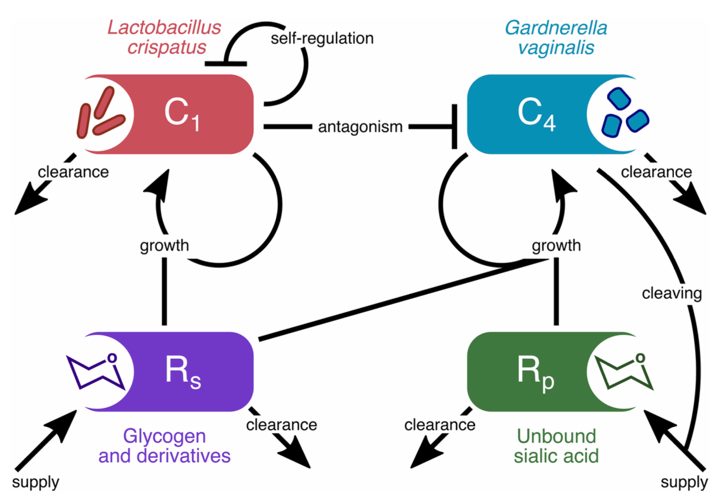
New Ecological Model Reveals How Nutrients Shape Vaginal Microbiome Health
In a new PLOS Biology study, CAMRI researchers helped develop an ecological model showing that access to specific nutrients—rather than bacteria alone—drives whether the vaginal microbiome remains healthy or shifts into dysbiosis. By revealing why harmful microbial states can become stable and difficult to reverse, this work opens new paths toward durable, non-antibiotic strategies to improve women’s reproductive health.
CAMRI Study Reveals Functional Diversity in Vaginal Microbiomes, Challenging One-Size-Fits-All Views of Dysbiosis
In a new study led by CAMRI investigator Dr. Johanna Holm, researchers reveal that vaginal bacteria with similar taxonomic profiles can have profoundly different functional and immunological effects. By defining 25 distinct functional community types, this work lays the foundation for precision diagnostics and targeted interventions in women’s reproductive health.
New TransBiota Studies Redefine Vaginal and Neovaginal Microbiome Health in Transgender Individuals
Two linked studies from the NIH-funded TransBiota project reveal that genital microbiomes in transmasculine and transfeminine individuals di>er fundamentally from those of cisgender women. Together, the findings challenge long-standing assumptions about “optimal” microbiome states and underscore the need for evidence-based, gender-affirming clinical care.

VIRGO2 Expands Our Ability to Perform Functional Analyses of Vaginal Microbiomes
In Nature Communications, we introduce VIRGO2, a next-generation gene catalog that dramatically expands our ability to study the function and ecology of the vaginal microbiome. This open resource enables more precise, mechanistic analyses of microbial communities that are central to women’s health.
Study Identifies Regulatory Gap in Direct-to-Consumer Microbiome Testing
In a new study published in the Journal of Law and the Biosciences, we examine whether current U.S. regulations adequately protect consumers using direct-to-consumer microbiome tests. Our findings highlight significant gaps in oversight and raise concerns about test validity, consumer harm, and the responsible translation of microbiome science into clinical and commercial practice.
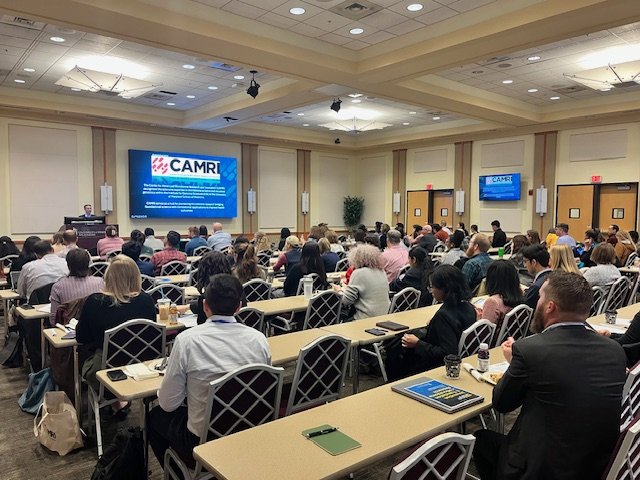
CAMRI: New Microbiome Research Center Established in School of Medicine
After a successful launch at the Mid-Atlantic Microbiome Meet-up in March, CAMRI is featured in UMB’s magazine Catalyst.