Structure, immunity and microbiome: Human 3D biomimetics cervicovaginal models for sexually transmitted infections (SIM-STI)
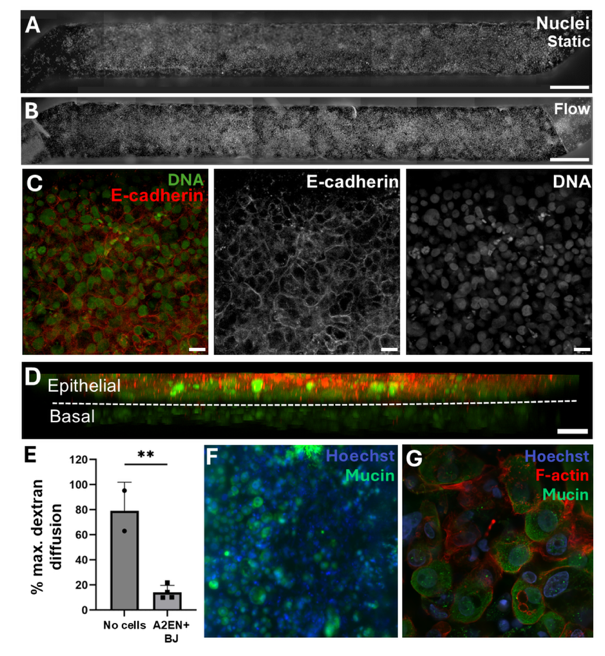
Sexually transmitted infections (STIs) are among the most prevalent infections in humans worldwide. Decades of studies using animal and cell culture models as well as ex vivo data have yielded considerable knowledge on what causes these infections and how these infections proceed from the initial infection to disease outcomes. The two most prevalent STIs, chlamydia and gonorrhea, are caused by Chlamydia trachomatis and Neisseria gonorrhoeae. Although many virulence factors are well characterized for these two pathogens, much remains to be known about their path toward causing pelvic inflammatory disease, tubal infertility and life-threatening ectopic pregnancy. Limitations of existing model systems are highlighted by a poor understanding of the role of the cervicovaginal microbiota in gonococcal susceptibility or resistance to infection and often conflicting available information on how C. trachomatis may persist silently in a host without symptoms to only reappear sometimes years later and cause severe disease. The proposed Biomimetics Cooperative Research Center “Structure, Immunity, Microbiome: Human 3D Biomimetic Cervicovaginal Models for Sexually Transmitted Infections” represents a pioneering effort by collaborating engineers and molecular microbiologists to develop a novel three-dimensional biomimetic model of the human cervicovaginal mucosa amenable to the study of STIs caused by C. trachomatis and N. gonorrhoeae. The model faithfully reconstructs the target tissue of infection by these twopathogens including an anoxic environment, cervicovaginal epithelial cells, the underlying stroma with fibroblasts, and the vasculature lined by endothelial cells, through which immune cells can be delivered to the infected tissue. SIM-STI will allow for the first time an evaluation of the role of the cervicovaginal microbiota, the menstrual cycle and co-infection on chlamydial and gonococcal pathogenesis and host response to infection. This inexpensive, easy to use biomimetic model holds the promise of resolving many questions of pathogenesis, but also to serve as a preclinical platform for testing preventive and therapeutic strategies against STIs.

Collaborators
Jason Gleghorn, Associate Professor, Department of Biomedical Engineering, University of Delaware
Patrik Bavoil, Professor, Department of Microbial Pathogenesis, University of Maryland School of Dentistry
Isabelle Derre, Associate Professor, Departments of Microbiology, Immunology, and Cancer Biology
Alison Criss, Professor, Departments of Microbiology, Immunology, and Cancer Biology
References
Nelson, K. M. et al. A Microphysiologic Model of the Cervical Epithelium Recapitulates Microbial, Immunologic, and Pathogenic Properties of Sexually Transmitted Infections. bioRxiv 2025.07.21.665989 (2025) doi:10.1101/2025.07.21.665989.
Edwards, V. L. et al. Three-dimensional models of the cervicovaginal epithelia to study host–microbiome interactions and sexually transmitted infections. Pathog Dis 80, ftac026 (2022).